- CDCP Accepted
- Wed-Sat: 9am-7pm
- Now Accepting New Patients
- Direct-Insurance Billing
- (289) 276-8542
- 1055 Canadian Pl #109, Mississauga, ON L4W 0C2

A white filling — also called a composite filling or tooth-coloured filling — is a modern dental restoration used to repair teeth damaged by decay, chips, cracks or wear. Made from BPA-free composite resin, white fillings are carefully shade-matched to the natural colour of your teeth, making them virtually invisible once placed.
Unlike traditional silver amalgam fillings, which contain mercury and are highly visible, composite fillings are mercury-free, bond directly to the tooth and preserve more of your natural tooth structure. This makes them the preferred choice for both patients and dentists seeking a safe, discreet and long-lasting restoration.
At Destiny Dental in Mississauga, all our dentists are experienced in composite restoration techniques and use premium-grade materials for results that look natural, feel comfortable and last for years. Whether you need a new filling, want to replace an old amalgam filling or have a dental emergency, we are here to help.
Composite fillings offer significant advantages over traditional amalgam. Here is why patients and dentists prefer them.
Composite resin is precisely shade-matched to your natural tooth colour, making the filling virtually invisible — no one will know it is there.
Composite bonds directly to the tooth structure, meaning less healthy tooth needs to be removed during preparation compared to amalgam fillings.
Dentists must drill out the rotten part of the tooth so the disease does not spread deeper.
Bacteria mix with food and make acid that eats away your tooth enamel, forming a cavity.
Fillings also repair teeth broken by trauma or worn down by teeth grinding.
Left untreated, a small cavity can reach the nerve and cause severe pain, infection, or a need for a root canal.
Real composite restoration cases from our clinic. Individual results depend on clinical factors — your dentist will discuss expected outcomes at your consultation.
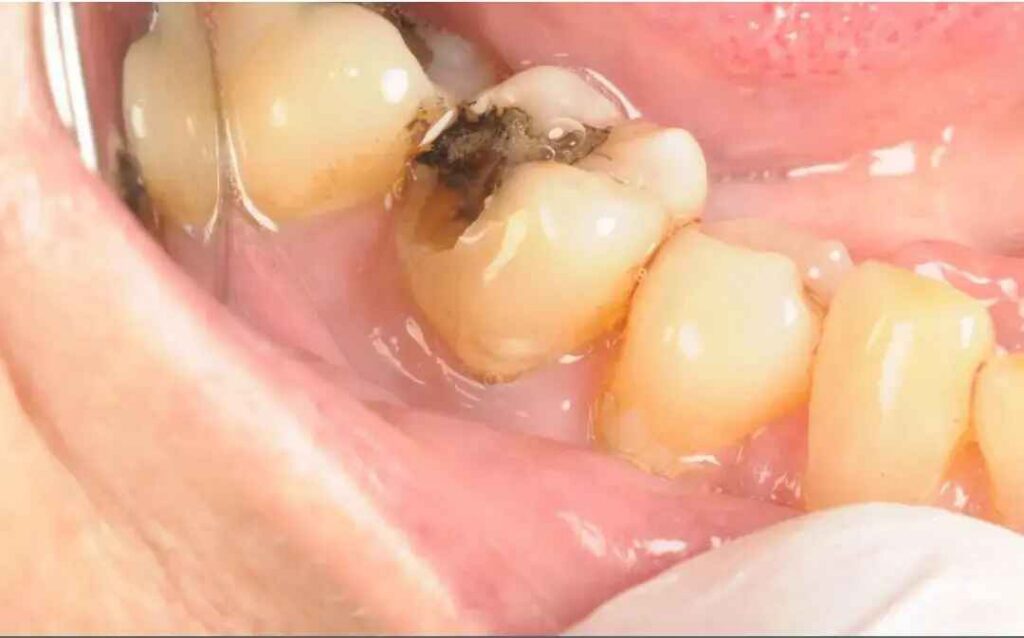
BEFORE
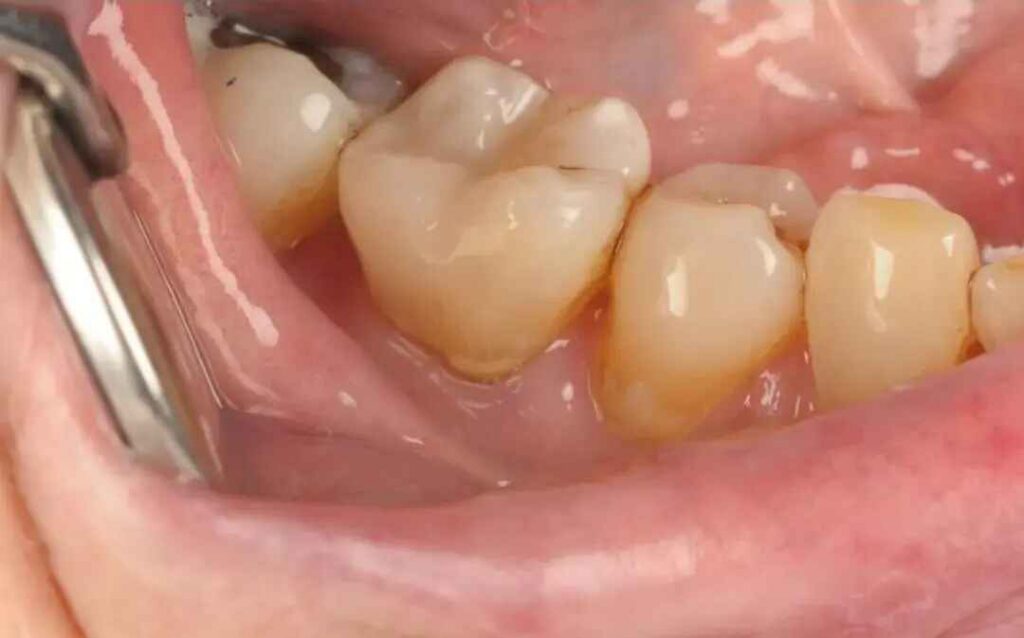
AFTER
A tooth-coloured composite filling restores the treated tooth and blends with the surrounding tooth structure. Individual results vary.
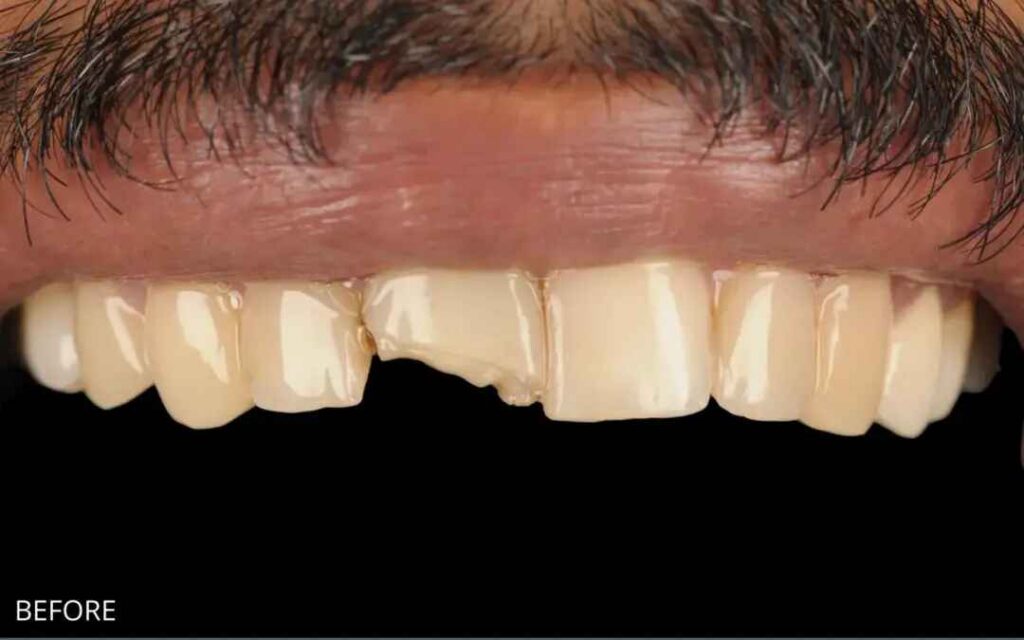
BEFORE
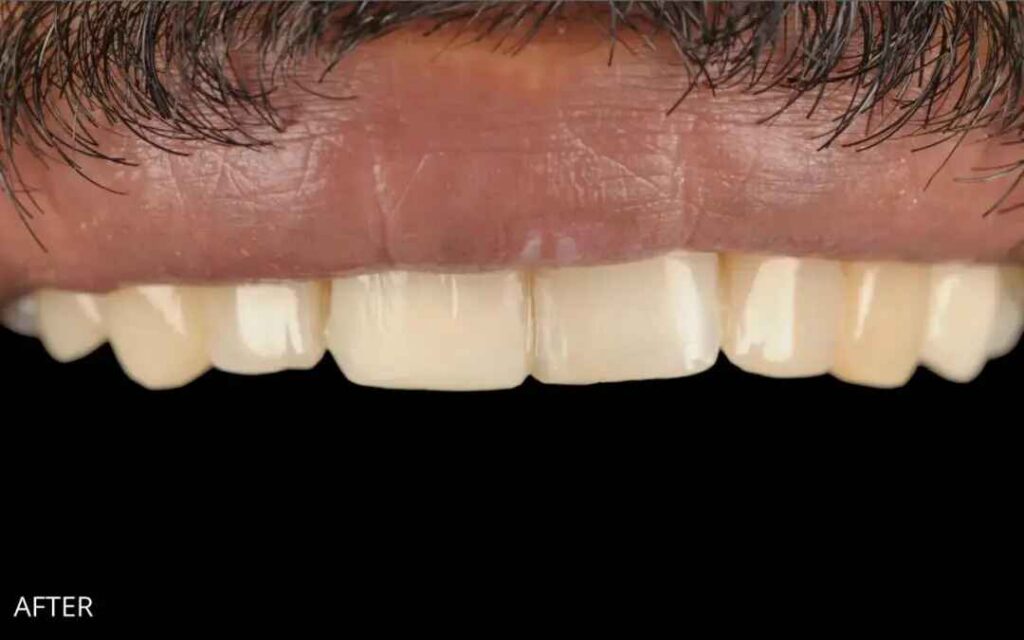
AFTER
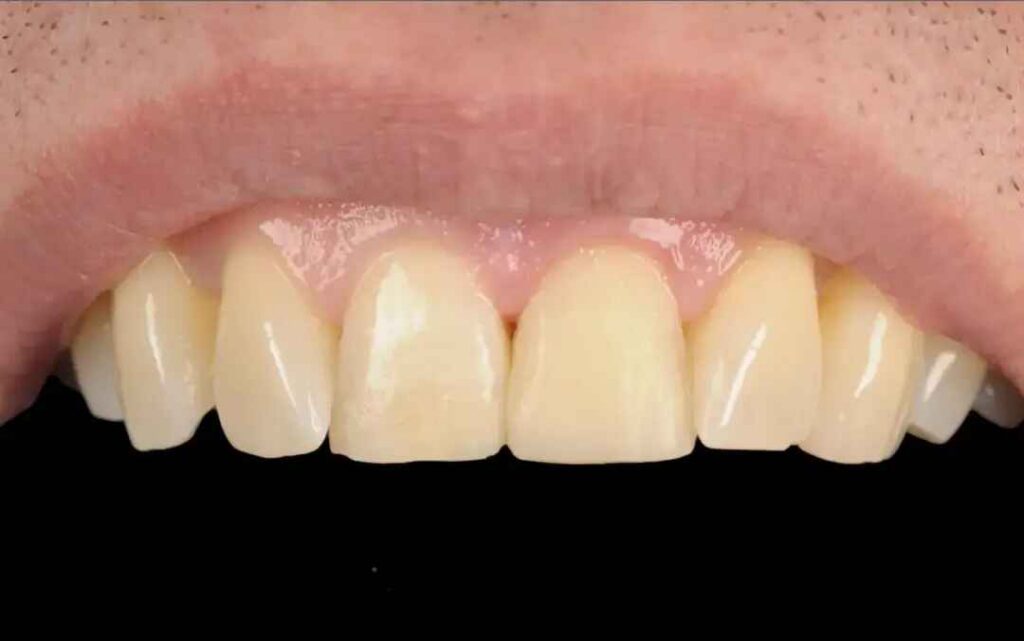
Before and after composite bonding to repair a chipped upper front tooth. Tooth-coloured resin restores the missing edge, creating a more even shape that blends with the surrounding teeth.
BEFORE
AFTER
Before and after composite bonding to restore chipped and uneven front tooth edges. The restoration improves the outline and symmetry of the front teeth while maintaining a natural-looking appearance.
A composite filling requires no special care — just good oral hygiene. Follow these guidelines to keep your filling and teeth in great condition.
Use a fluoride toothpaste and a soft or medium-bristled brush. Pay attention to the gum line and the area around the filling. Electric toothbrushes are highly effective.
Do not use your teeth to open packaging, bite nails or chew ice. Composite can chip under excessive force, especially on the edges of front-tooth restorations.
Floss between all your teeth once a day, including either side of the filled tooth. This removes plaque from areas your toothbrush cannot reach.
Composite resin can stain over time. Limit coffee, tea, red wine and smoking to keep your filling looking its best. Your hygienist can polish the filling at routine appointments.
Mild sensitivity to hot or cold for a few days after placement is normal. If sensitivity persists beyond two weeks, or you feel a sharp edge, contact us for a quick adjustment.
Visit your dentist at least twice a year. They will check the condition, margins and colour of your fillings and recommend polishing, repair or replacement as needed.
A composite filling is typically completed in a single visit. Here is what to expect at each stage.
Your dentist examines the tooth, takes X-rays if needed and identifies the extent of the decay or damage. They explain the findings clearly and recommend the most appropriate filling type for your situation.
A local anaesthetic is applied to ensure you are completely comfortable throughout the procedure. We use modern techniques to make the injection as painless as possible — most patients say they barely feel it.
The decayed or damaged portion of the tooth is carefully removed using a dental handpiece. Your dentist preserves as much healthy tooth structure as possible — white fillings bond directly to the tooth, so less drilling is required compared to traditional amalgam fillings.
Your dentist selects a composite resin shade that matches the natural colour of your tooth. Multiple shades may be layered to replicate the translucency and depth of natural enamel for an invisible repair.
The composite resin is applied in thin layers, each hardened with a special curing light. Your dentist sculpts the material to recreate the natural contours, grooves and shape of the original tooth.
Once built up, the filling is shaped to ensure your bite is comfortable and even. It is then polished to a smooth, natural finish that blends seamlessly with the surrounding tooth — most patients cannot tell where the filling ends and the natural tooth begins.
Have questions about our dental services? Find answers to common questions below, or contact us directly for more information.